
Kitchen Remodeling in Columbus Ohio: What Great Customer Service Looks Like During a Messy Week of Demo
A kitchen demolition week is rarely the most attractive part of a remodel. Cabinets come down, materials are carried out, and dust and noise can affect daily routines. But the disruption doesn’t have to mean confusion. When a remodeling team communicates clearly, protects the rest of the home, and treats the project as if people still live there, because they do, the messy part can feel much more manageable.
For homeowners planning a kitchen remodel in Columbus or the Greater Columbus area, great customer service is more than a friendly hello. It’s the practical, consistent work that helps you know what’s happening, what comes next, and who to contact when questions come up.
It starts before the first cabinet comes down
Good service during demolition begins with preparation. Before work starts, you should understand what is included in the demolition, which areas will be protected, how debris will be removed, and what the expected work hours are. Your contractor should also explain whether water, power, or other utilities may need to be shut off, and when.
A conversation about daily life is just as important. Where will you prepare meals? Which routes through the house need to stay open? Are there children, pets, or work-from-home schedules the crew should plan around? A temporary kitchen area with essentials such as a refrigerator, microwave, and coffee maker can make a real difference.
These questions aren’t minor details. They help set expectations for the whole household and give the crew a clearer picture of how to work respectfully in your home.
Dust control is part of taking care of the home
Demolition creates dust. A responsible team doesn’t promise that a work zone will stay spotless; they explain how they’ll contain dust and reduce its spread to other parts of the house.
That may include protecting floors and walkways, sealing the work area with barriers, and keeping tools and debris within the agreed-upon zone. The U.S. Environmental Protection Agency’s remodeling guidance recommends using barriers to contain dust and pollutants, along with appropriate ventilation. It also notes that homes built before 1978 may require special precautions when painted surfaces are disturbed.
Ask how the crew plans to protect adjoining rooms and what you should do to keep children and pets away from the work area. Clear answers, and a setup that matches those answers, are signs that the contractor respects both your home and your family’s comfort.
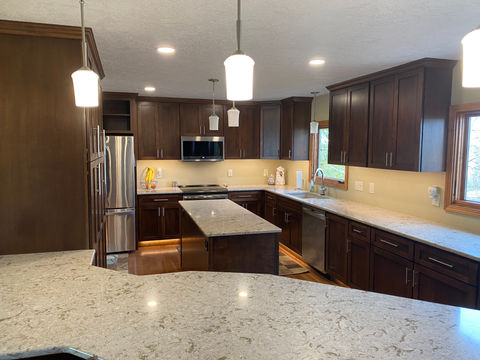
Thoughtful planning and careful work help protect the home while making room for what comes next.
You get updates without having to chase them
During demolition, homeowners want more than a vague “we’re making progress.” They need to know what was completed, what the crew plans to do next, and whether anything needs their attention.
A useful update can be brief. It might cover the day’s work, tomorrow’s plan, a change to the schedule, or a decision the homeowner needs to make. If something unexpected comes up, timely communication matters even more.
Before the project starts, ask who your main contact will be and how updates will be shared. Will you speak with the project lead on-site? Receive a text or call? Have a scheduled check-in? The exact method matters less than having a dependable way to get accurate answers.
Good communication also includes listening. If a concern comes up about noise, access, dust, or timing, you should be able to raise it and get a clear response.
Unexpected discoveries are handled openly
Once cabinets, flooring, or drywall are removed, parts of the home that were hidden become visible. A contractor may uncover damaged material, plumbing concerns, outdated wiring, or another condition that needs attention before the remodel can move forward.
The right response is to pause, show you what was found, explain why it matters, and discuss the available next steps. If the discovery changes the work, cost, or schedule, those changes should be explained before additional work proceeds. Photos can help make the issue easier to understand, especially when you can’t safely enter the work area.
No one can promise that demolition will reveal no surprises. But a good team can be transparent about what they find and how it affects your project. That helps you make informed decisions instead of wondering why the plan, or the bill, changed.
The crew treats your home like an occupied home
Your home doesn’t stop being your home just because the kitchen is under construction. A respectful crew keeps tools and materials organized, maintains safe pathways where possible, and secures the work area at the end of the day. Sharp debris, loose cords, and accessible tools shouldn’t be left where household members or pets could encounter them.
End-of-day cleanup during demolition won’t make the kitchen look finished. It should, however, leave the space controlled and safer than it was during active work. That can mean gathering debris, tidying the route through the house, and making sure the site is secure before the crew leaves.

An orderly work area and a clear path through the home can make the renovation easier to live with.
Permits and inspections aren’t left mysterious
Depending on the work involved, permits and inspections may be part of a kitchen remodel. Homeowners should feel comfortable asking whether permits are required, who is responsible for obtaining them, and how inspections may affect the schedule.
The City of Columbus Building and Zoning Services FAQ is a useful place to start when you have questions about local requirements. Since project details and jurisdiction can affect what applies, discuss your specific scope with your contractor and the appropriate local building department.
Customer service here means more than saying “we’ll handle it.” It means explaining what needs to happen, keeping you informed about timing, and not treating required steps as an afterthought.
What to ask before demolition begins
A few direct questions can help you understand how a contractor approaches the messy part of a remodel:
What areas will be protected, and how will dust be contained?
What should I expect from the daily schedule and work hours?
Who is my main contact if I have a question or concern?
How will you tell me about hidden conditions or changes to the work?
What cleanup and site-security steps happen at the end of each day?
Are permits or inspections likely to apply to my project?
Pay attention not just to the answers, but to how they’re given. A professional team should be willing to explain the process in plain language and discuss the details that matter to your household.
At ManKind, LLC, we understand that a kitchen remodel affects more than one room. It touches the routines and comfort of the whole home. We’re locally owned and operated in Central Ohio, and we value clear communication, attention to detail, and quality workmanship throughout a project. If you’re considering a kitchen update, you can contact us to discuss your project and request a free estimate.
A messy week can still feel well managed
Demolition will never be the most comfortable phase of a kitchen remodel. But when you know what to expect, your home is protected, and questions are answered promptly, the disruption is easier to navigate. Great customer service shows up in the details: a plan before work begins, honest updates during the day, clear explanations when surprises arise, and a secure, orderly site when the crew leaves.
Those habits help turn a challenging week into a more predictable step toward a kitchen that works better for your home.
Comments