
What Quality Craftsmanship Really Means in Remodeling
When you're planning a home remodeling project in Central Ohio, you'll hear the term "quality craftsmanship" thrown around a lot. But what does it actually mean? And more importantly, how can you tell the difference between a contractor who truly delivers quality work and one who just talks a good game?
Quality craftsmanship isn't just about making things look pretty – though that's certainly part of it. It's about creating work that stands the test of time, functions flawlessly, and adds real value to your home. Let's break down what this really means and what you should be looking for.
The Foundation: Attention to Detail
True quality craftsmanship starts with an obsessive attention to detail. This means every cut is measured twice, every joint is perfectly aligned, and every surface is meticulously finished. When a craftsman takes pride in their work, you'll see it in the small things that many people might overlook.
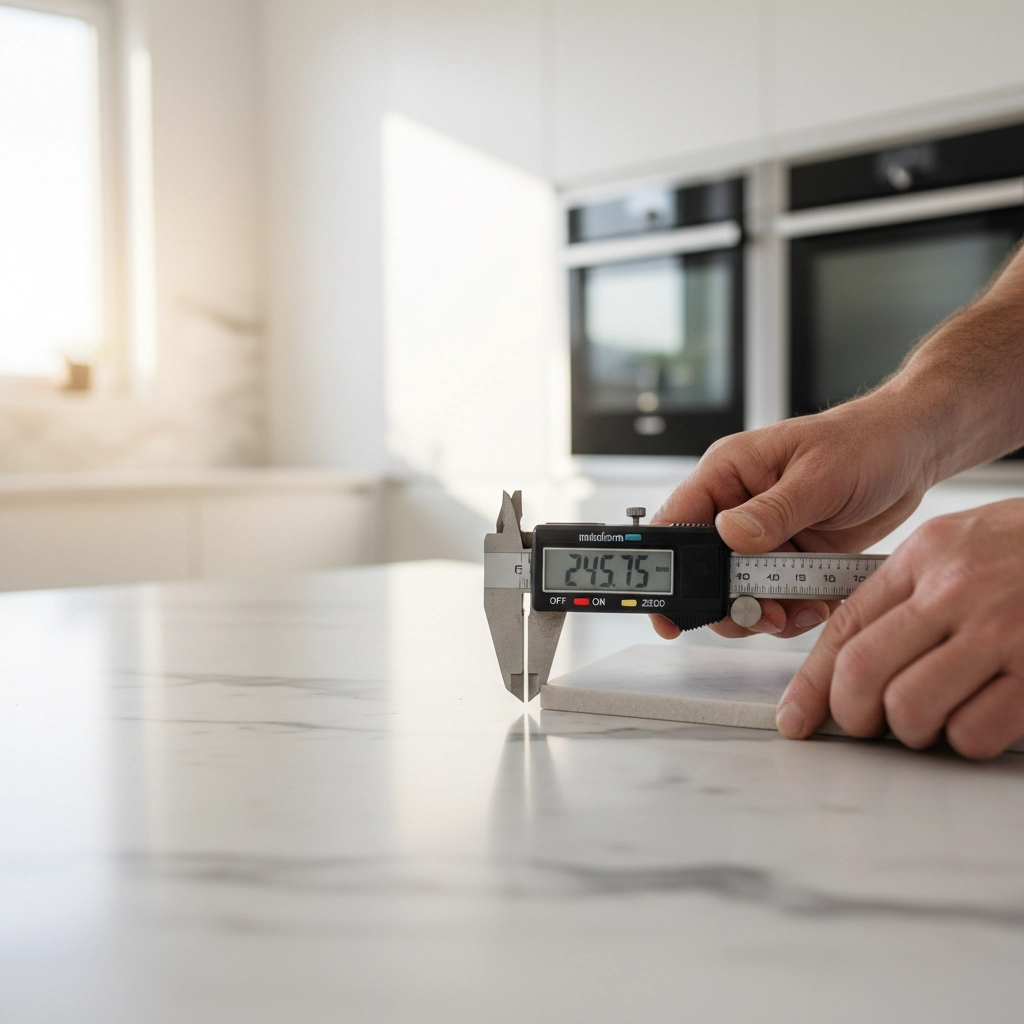
In bathroom remodeling, for example, quality craftsmanship shows up in perfectly level tile lines, seamless caulk joints that won't crack or discolor over time, and fixtures that are precisely aligned. In kitchen projects, it's evident in cabinet doors that hang perfectly straight, countertop seams that are virtually invisible, and hardware that's installed with mathematical precision.
At ManKind LLC, we've seen what happens when contractors cut corners on these details. Those "small" imperfections become major headaches down the road – tiles that crack because they weren't properly supported, cabinets that sag because mounting wasn't done correctly, or paint that peels because the surface wasn't properly prepared.
Built to Last: Durability and Structural Integrity
Quality craftsmanship means building things right the first time, using proper techniques and materials that will withstand years of daily use. This is especially important in high-traffic areas like bathrooms and kitchens, where moisture, heat, and constant use can quickly reveal any shortcuts taken during construction.
A quality craftsman understands that what you can't see is often more important than what you can. This includes proper framing, adequate ventilation, correct plumbing and electrical work, and using the right materials for each specific application. They won't try to save a few dollars by using cheaper materials that will fail prematurely.
For Central Ohio homeowners, this attention to structural integrity is particularly important given our climate challenges – from humid summers to freezing winters, our homes need to be built to handle temperature swings and moisture variations that can wreak havoc on subpar construction.
The Material Connection
Here's something many homeowners don't fully understand: even the most skilled craftsman can't create quality work with inferior materials. Quality craftsmanship includes making smart material choices that balance cost, performance, and longevity.

A quality contractor will explain why they recommend certain materials over others, helping you understand the long-term implications of your choices. They'll never try to upsell you on materials you don't need, but they also won't let you make choices that will compromise the integrity or longevity of your project.
This is where working with an experienced local contractor like ManKind LLC makes a real difference. We understand which materials perform best in Central Ohio's climate and can guide you toward choices that will look great and perform well for decades to come.
Pride in Workmanship
You can usually tell when someone takes genuine pride in their work. Quality craftsmen don't just meet minimum standards – they exceed them because they genuinely care about the end result. They're the type of people who will redo something that meets code but doesn't meet their personal standards.
This pride shows up in several ways:
Clean, organized work sites that respect your home
Willingness to explain their process and answer questions
Standing behind their work with solid warranties
Following up after completion to ensure satisfaction
Signs of Quality Craftsmanship You Can Look For
As a homeowner, how can you identify quality craftsmanship? Here are specific things to watch for:
Precision and Alignment: Everything should line up perfectly. Tiles should have consistent spacing, cabinet doors should be level and evenly spaced, and trim work should have tight, clean joints.
Smooth, Even Finishes: Paint should be smooth without brush marks or roller lines. Wood finishes should be even without drips or runs. Walls should be flat without waves or imperfections.
Proper Installation: Fixtures should be securely mounted, pipes should run in straight lines, and electrical work should be neat and organized. Nothing should feel loose or wobbly.
Clean Transitions: Where different materials meet – like tile to hardwood or wall to ceiling – the transitions should be smooth and professional-looking.

The Long-Term Value Proposition
Quality craftsmanship isn't just about immediate satisfaction – it's an investment in your home's future. Well-executed remodeling work:
Reduces the need for repairs and touch-ups
Maintains its appearance longer
Functions better over time
Adds more value to your home's resale price
Provides better energy efficiency
In Central Ohio's competitive real estate market, homes with quality remodeling work stand out. Buyers can quickly spot the difference between professional work and DIY or low-quality contractor work, and they're willing to pay a premium for homes where the work was done right.
Quality Process Leads to Quality Results
True quality craftsmanship isn't just about the final product – it's about the entire process. This includes:
Proper Planning: Taking time to understand your needs, measuring carefully, and planning for potential issues before they arise.
Clear Communication: Keeping you informed throughout the project, explaining any changes or challenges that come up.
Respect for Your Home: Protecting your belongings, cleaning up daily, and minimizing disruption to your life.
Problem-Solving: When unexpected issues arise (and they always do in remodeling), quality craftsmen find solutions that maintain the integrity of the project rather than taking shortcuts.
The ManKind LLC Standard
At ManKind LLC, quality craftsmanship isn't just a marketing phrase – it's our standard operating procedure. Every project we take on reflects our commitment to doing things right, whether it's a simple bathroom update or a complex basement finishing project.
We understand that your home is your biggest investment, and any work we do becomes part of that investment. That's why we approach every project with the same attention to detail and commitment to excellence, regardless of size or budget.

Our team takes pride in creating work that not only looks great on day one but continues to perform and look great years later. We use quality materials, proven techniques, and careful attention to detail to ensure that every project meets our high standards.
What This Means for Your Project
When you're evaluating contractors for your next remodeling project, don't just focus on price or timeline. Ask about their approach to quality, look at examples of their recent work, and pay attention to how they explain their process.
Quality craftsmanship might cost a bit more upfront, but it's an investment that pays dividends in satisfaction, durability, and home value. In Central Ohio's market, where home values continue to appreciate, investing in quality remodeling work is one of the smartest financial decisions you can make.
Remember, your home should be a place where you love to spend time, and quality craftsmanship helps ensure that your remodeling investment enhances your daily life for years to come. Whether you're updating a bathroom, finishing a basement, or tackling a kitchen renovation, insist on quality craftsmanship – your future self will thank you.
Comments